June 12, 2026
Ten Years of Honda and YAMAHA at Suzuka—A New Showdown in 2026
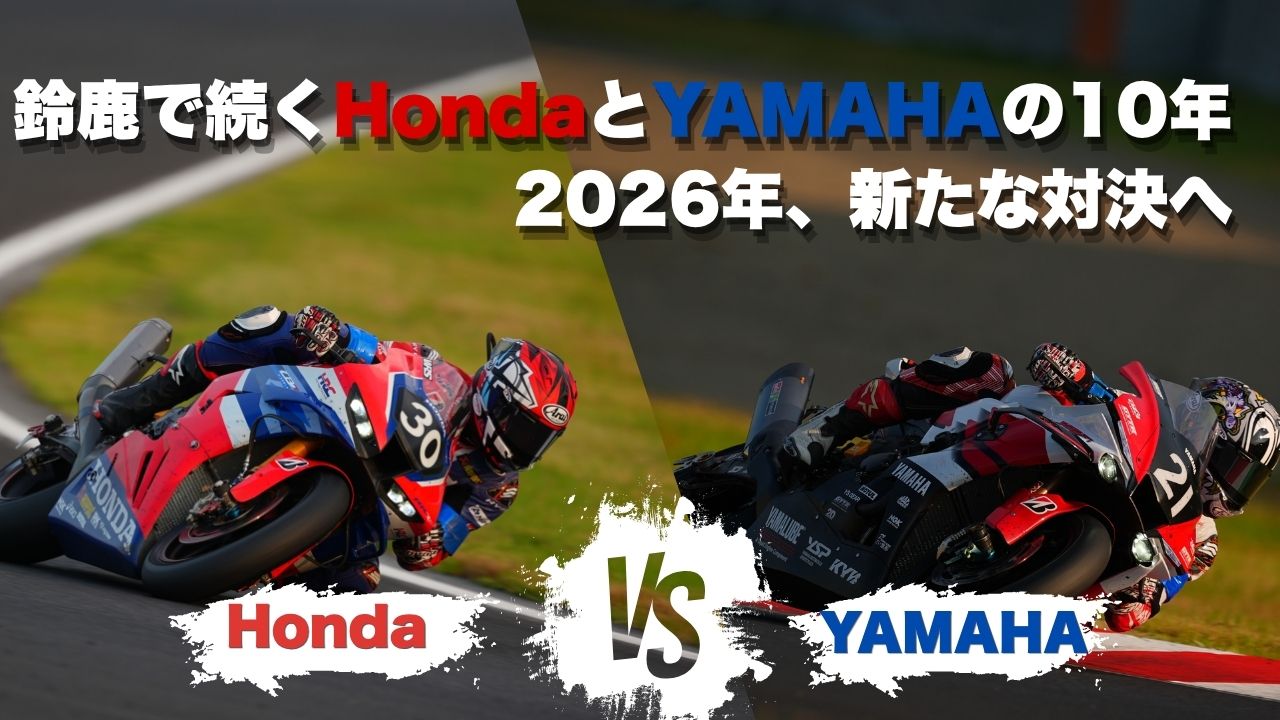
This race features 2 or 3 riders taking turns to continuously race for 8 hours at the midsummer Suzuka Circuit. Many dramas have unfolded over the years, but an essential story of the past decade is the "showdown between Honda and YAMAHA."
The Power Shift Redefined by YAMAHA—The Shock of Four Consecutive Wins
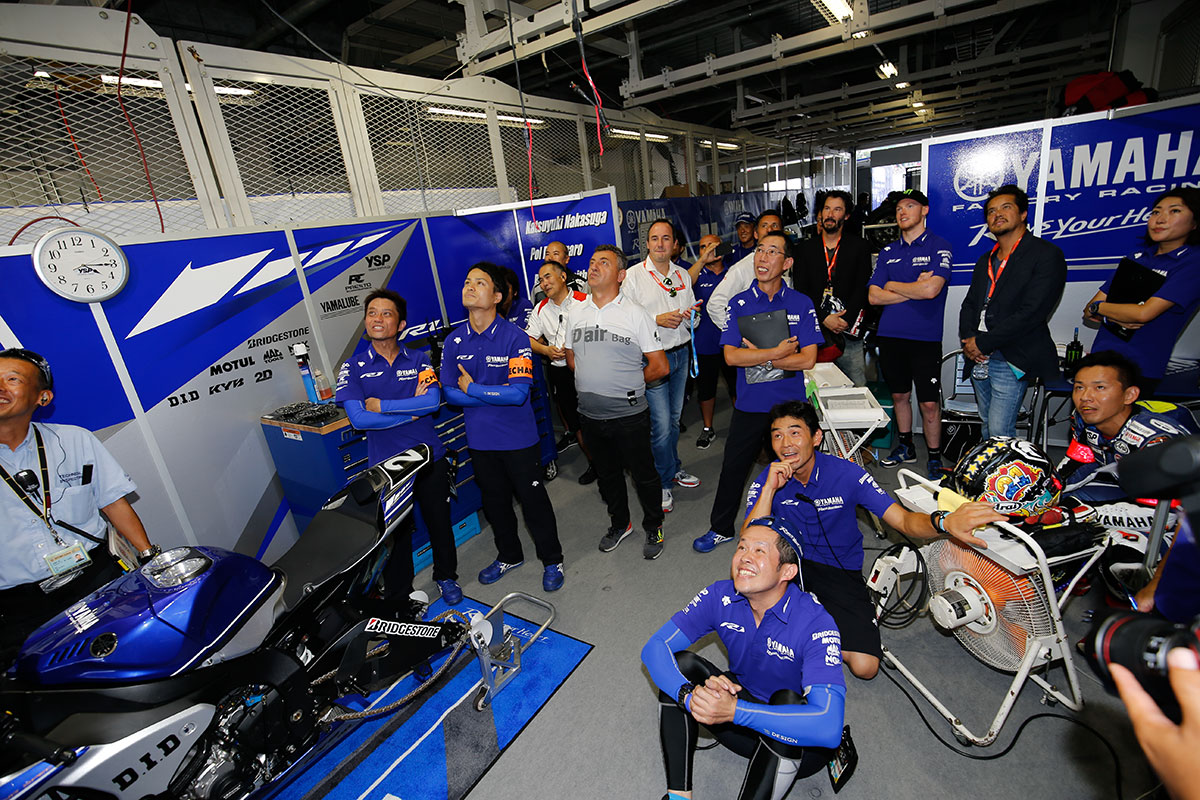
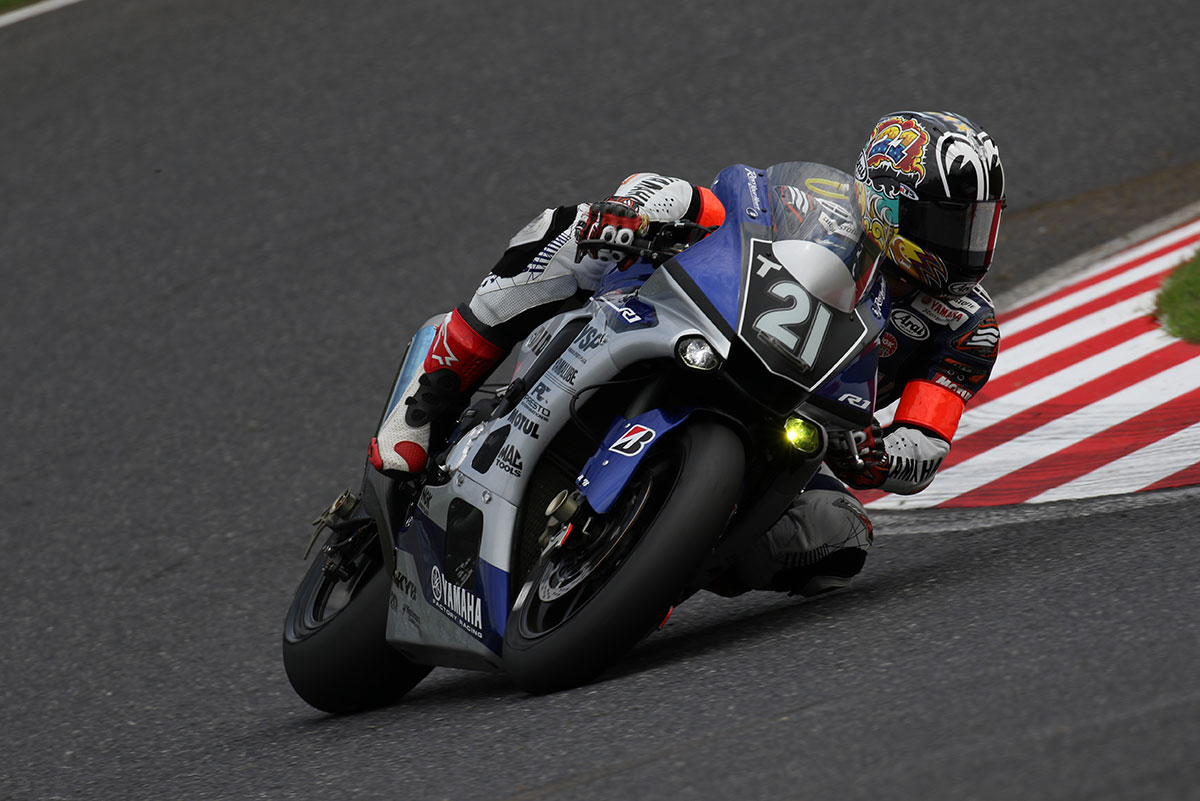
2015 #21 YAMAHA FACTORY RACING TEAM
Katsuyuki Nakasuga
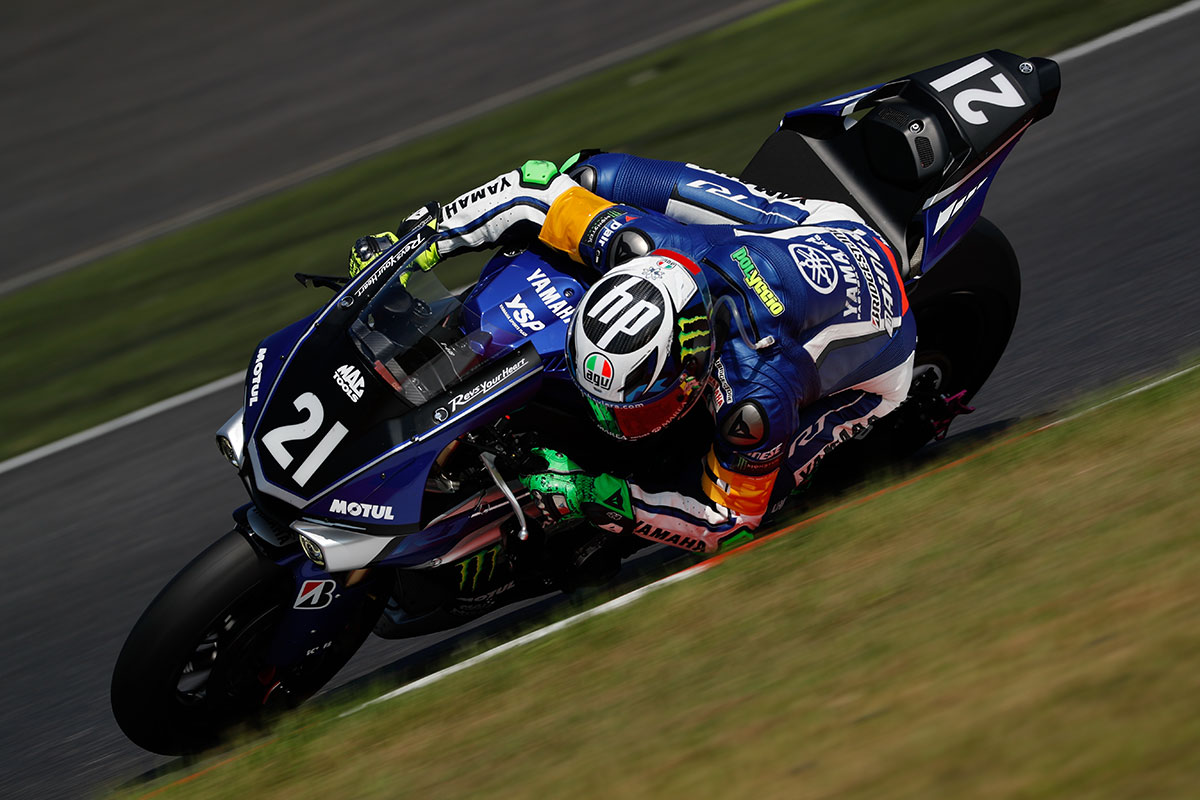
2016 #21 YAMAHA FACTORY RACING TEAM
Pol Espargaró
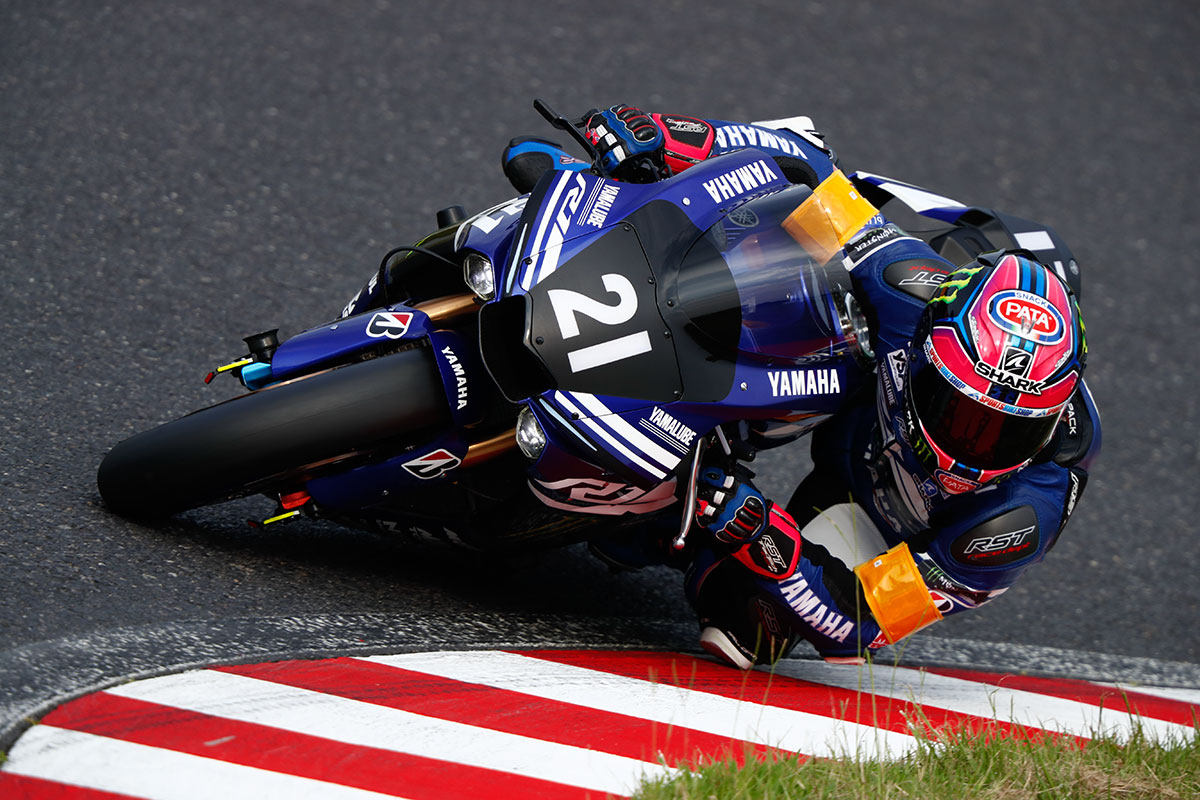
2017 #21 YAMAHA FACTORY RACING TEAM
Alex Lowes
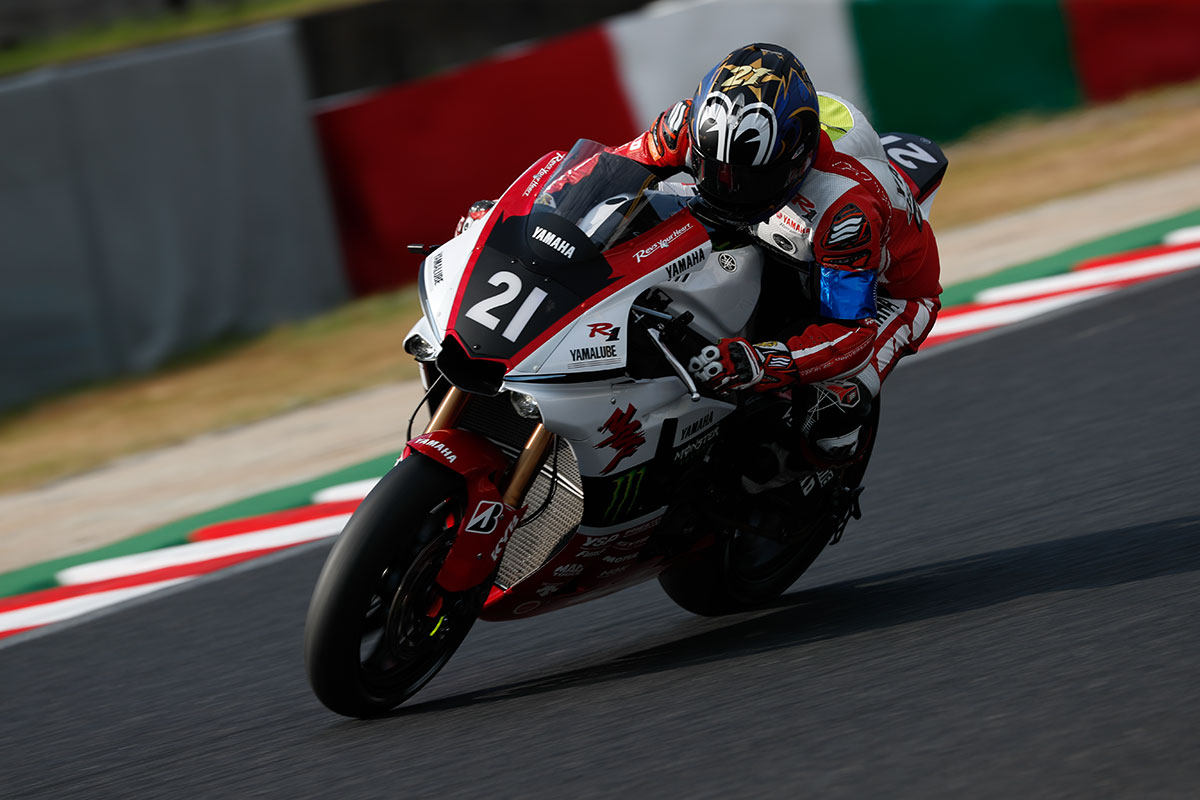
2018 #21 YAMAHA FACTORY RACING TEAM
Katsuyuki Nakasuga
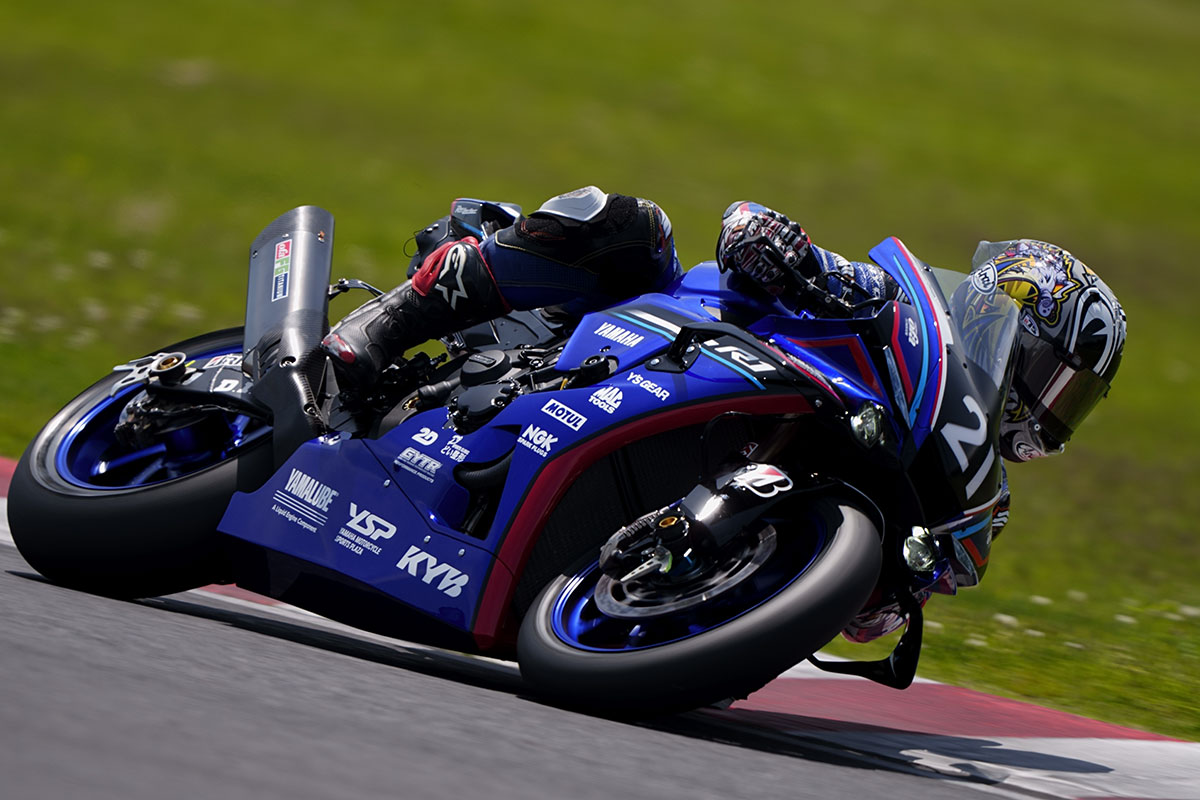
Against Honda, which had long held the champion's seat at its home ground Suzuka, YAMAHA introduced the completely newly designed machine "YZF-R1." Furthermore, they revived the factory-run team "YAMAHA FACTORY RACING TEAM" and entered the race with a serious, full-scale setup.
The ace was Katsuyuki Nakasuga, the champion of the All Japan Road Race Championship. The lineup, which combined him with the world’s top MotoGP™ riders, demonstrated their speed at Suzuka.
As a result, YAMAHA won the Suzuka 8 Hours four consecutive times from 2015 to 2018.
At Honda's home course, YAMAHA stood at the center of the podium for four consecutive years.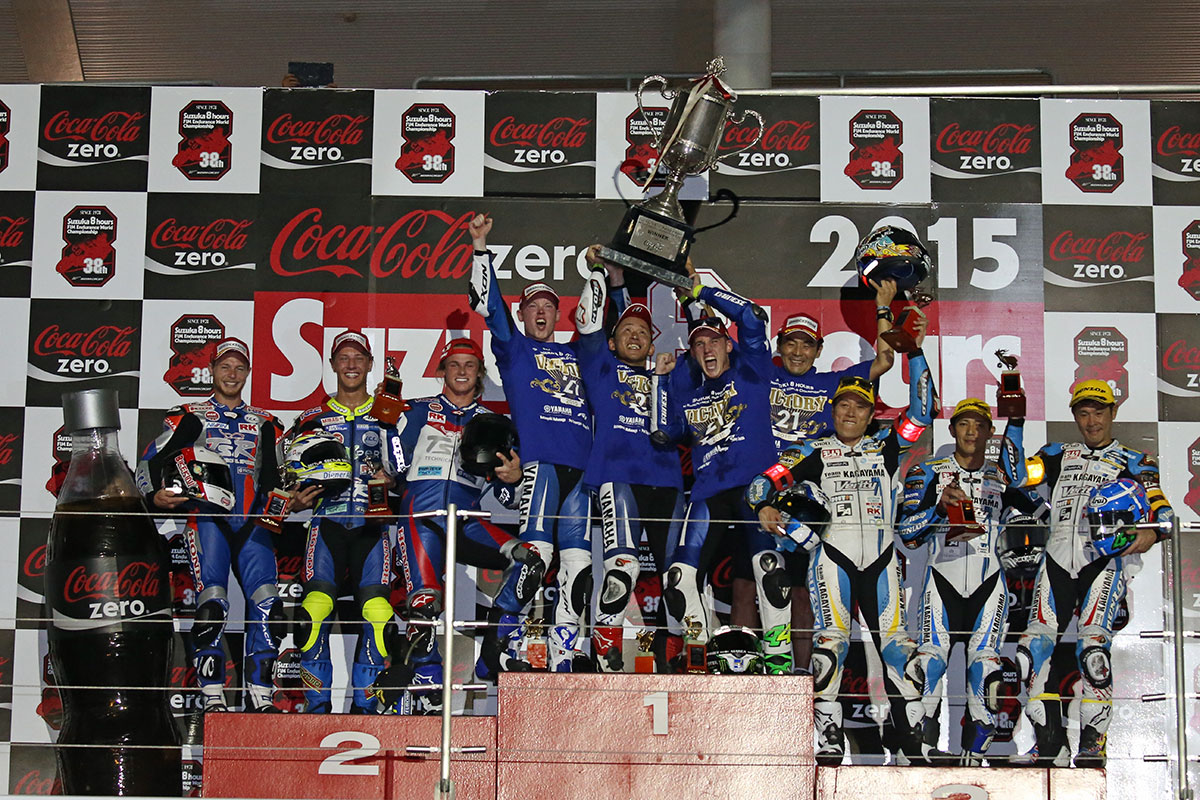
2015 Award Ceremony
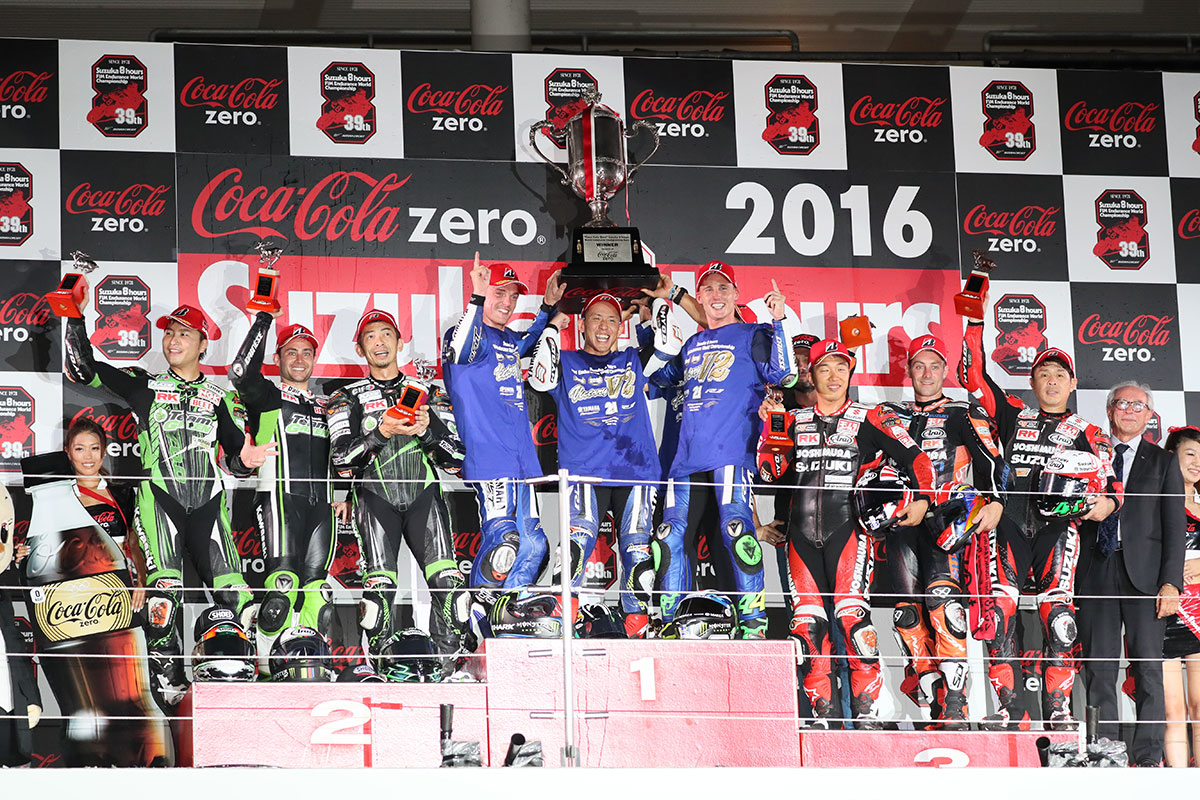
2016 Award Ceremony
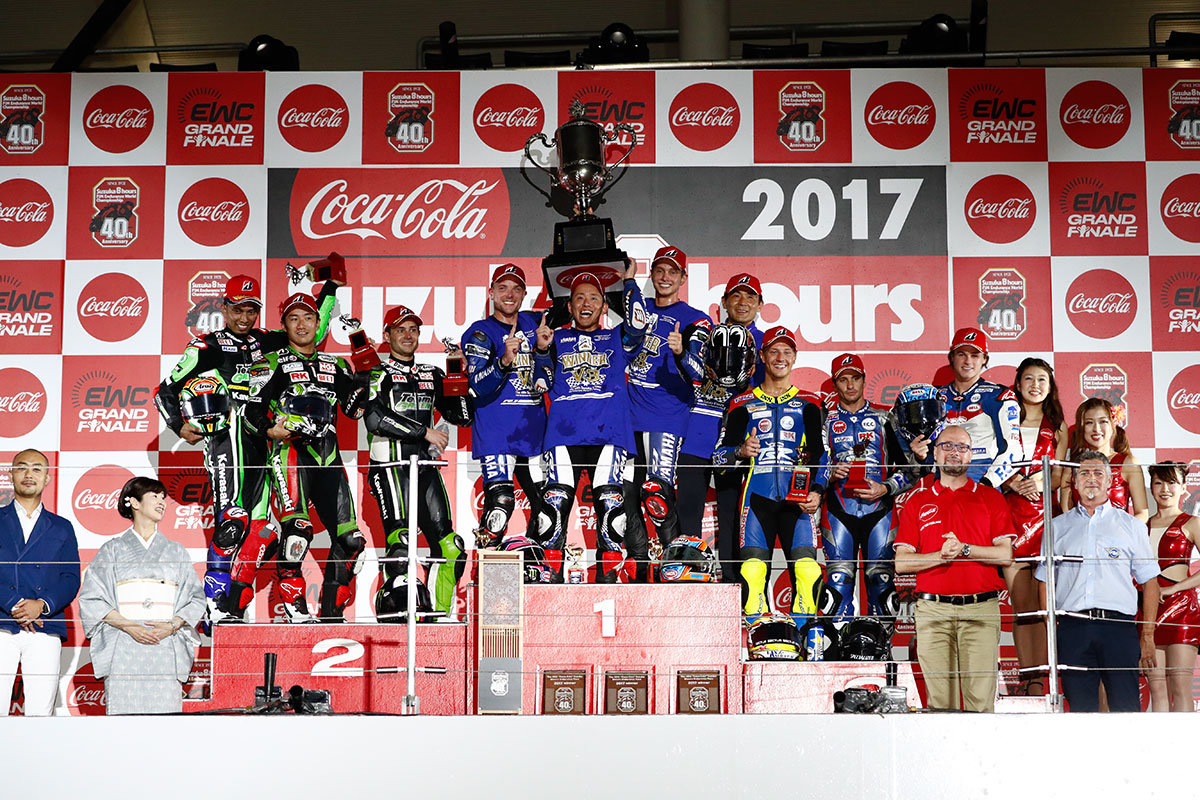
2017 Award Ceremony
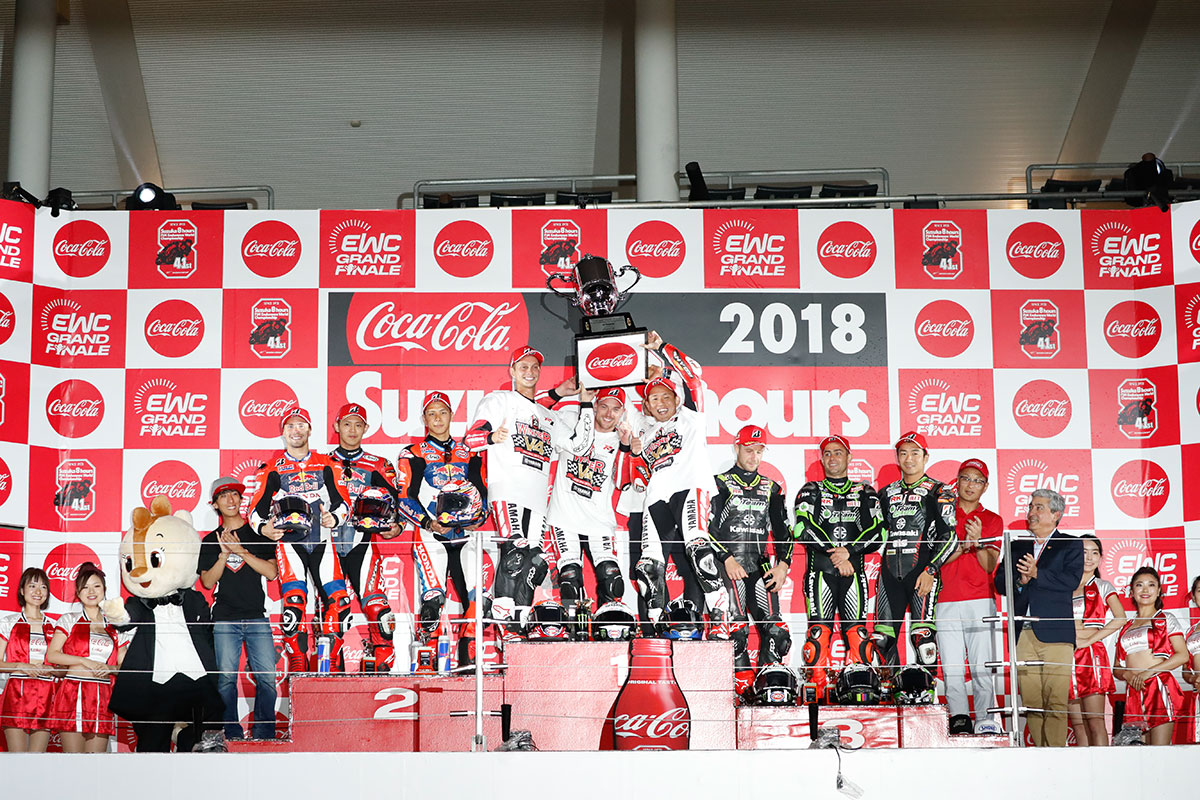
2018 Award Ceremony
Not just speed. YAMAHA won with "fuel efficiency" and "strategy"
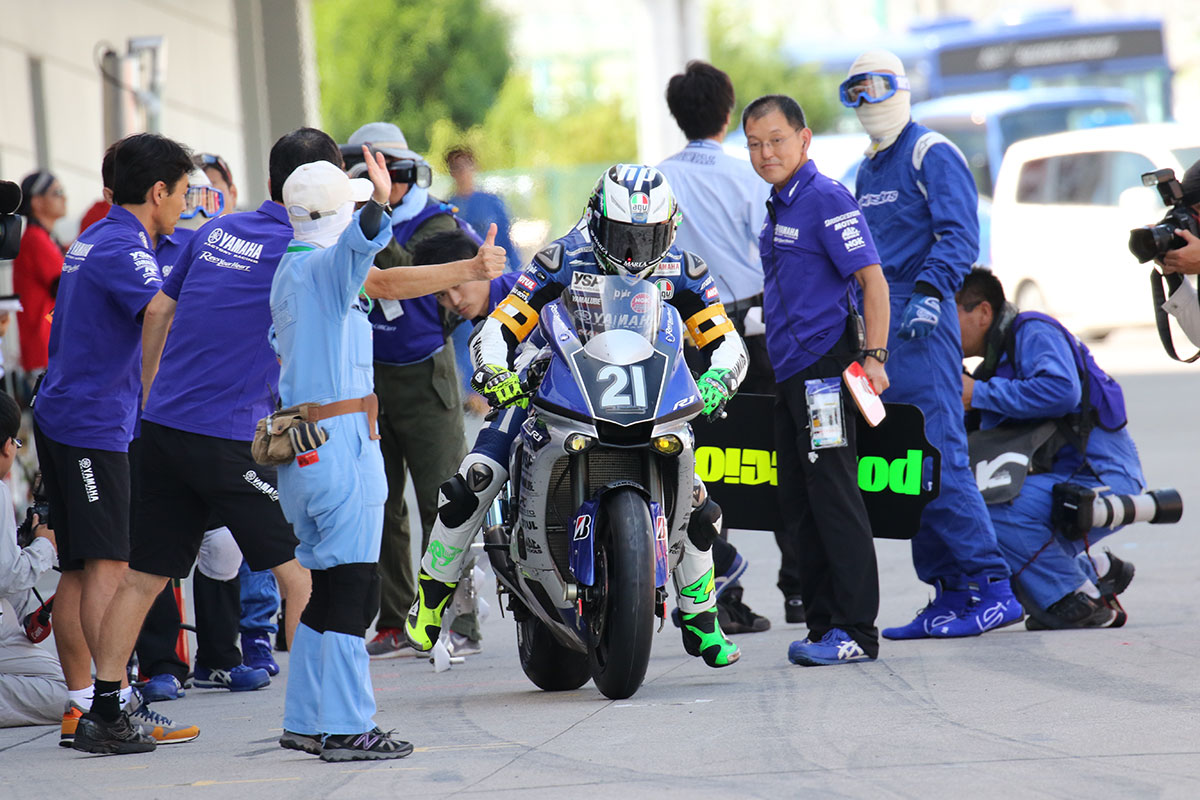
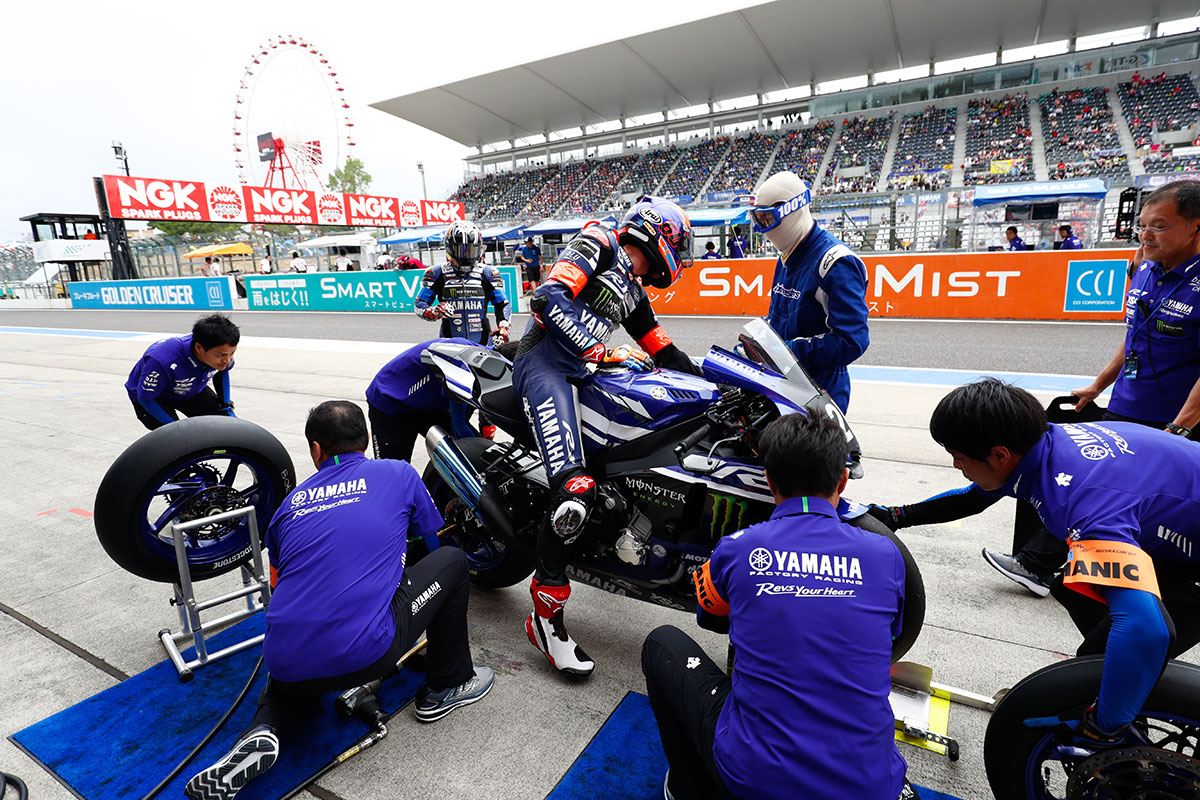
A symbolic moment was the timing of the pit stop in 2015. While rival teams pitted for refueling after 25 laps, YAMAHA extended it to the 28th lap. Being able to run three laps longer means fewer refueling and tire changes. In endurance racing, this is a significant advantage.
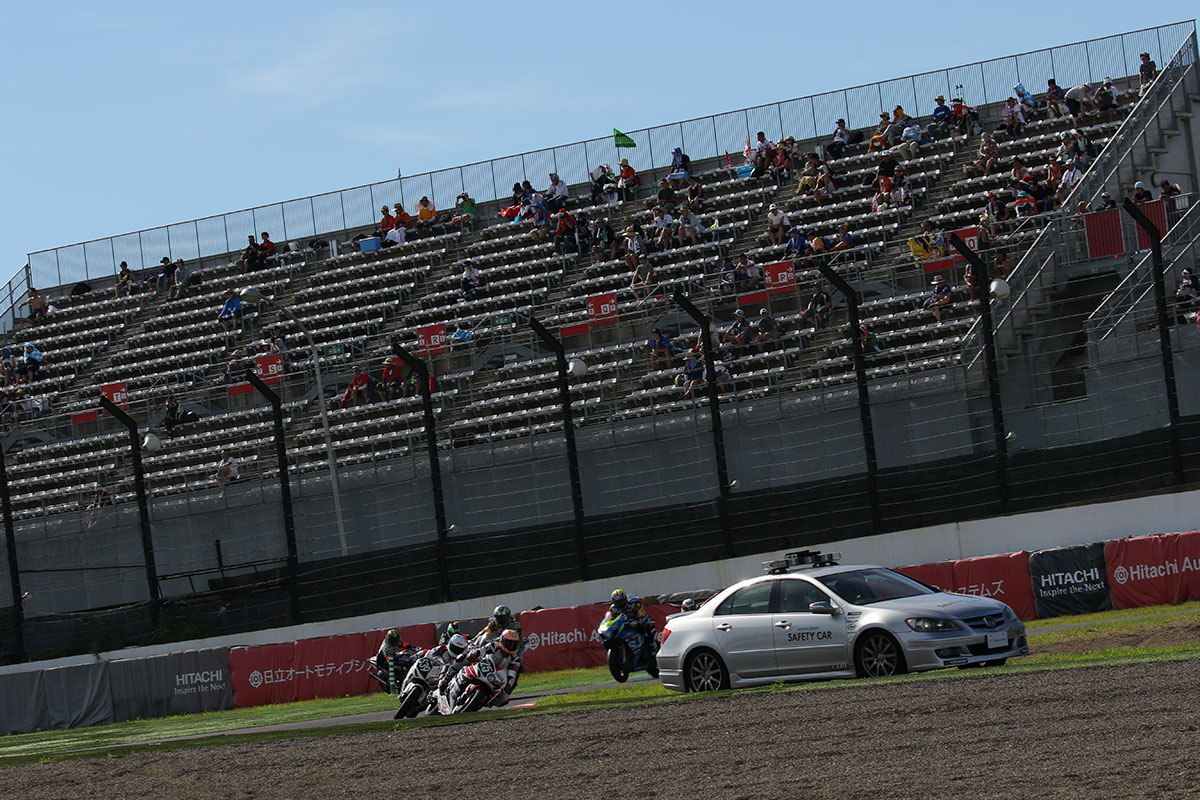
For example, during the time when a crash occurs on the course and the "Safety Car (SC)" is deployed. Although the entire course is forced to slow down during this period, MotoGP™ rider Bradley Smith remained tucked down on the machine throughout this slow section. This was to reduce air resistance and conserve fuel consumption.
Riders themselves know well that setting fast laps in qualifying is important. Even so, the goal is to win. They suppress the desire to show speed and calmly carry out the tasks to secure victory. This accumulation led to four consecutive championships.
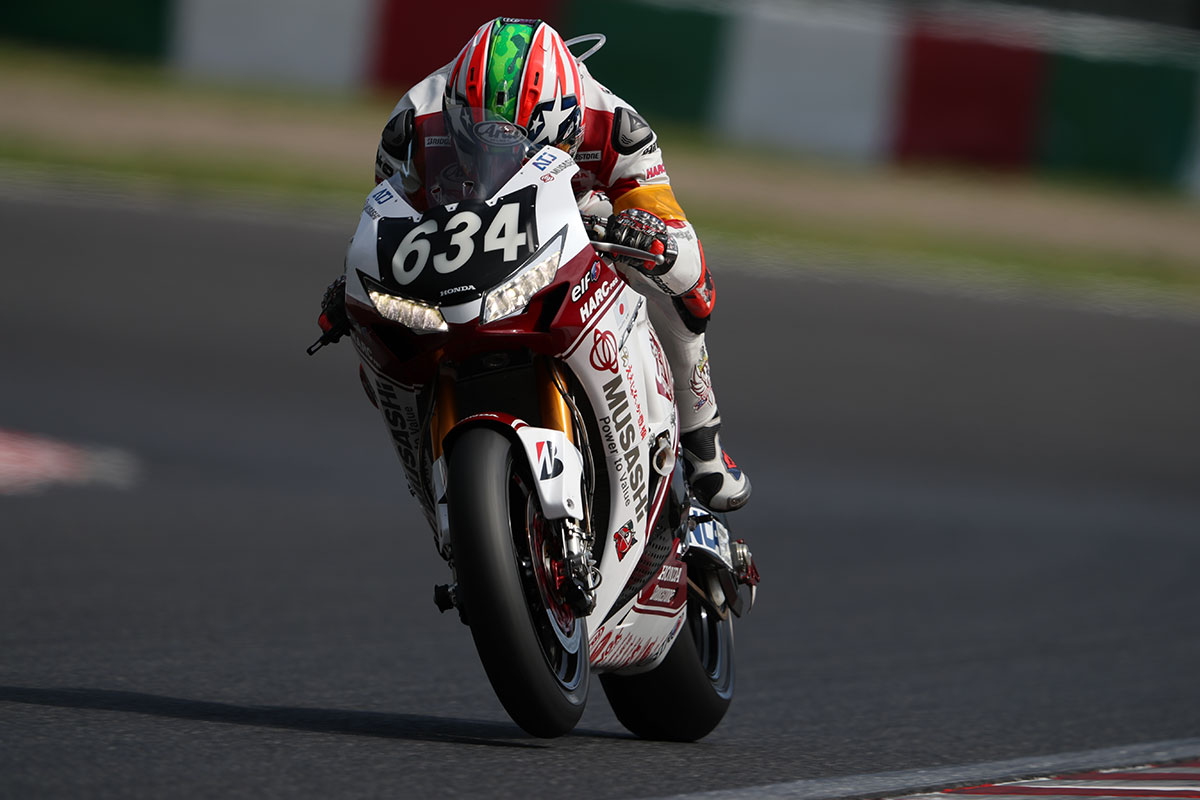
Honda also fought back, but was plagued by troubles and bad luck, resulting in several years of falling just short of victory.
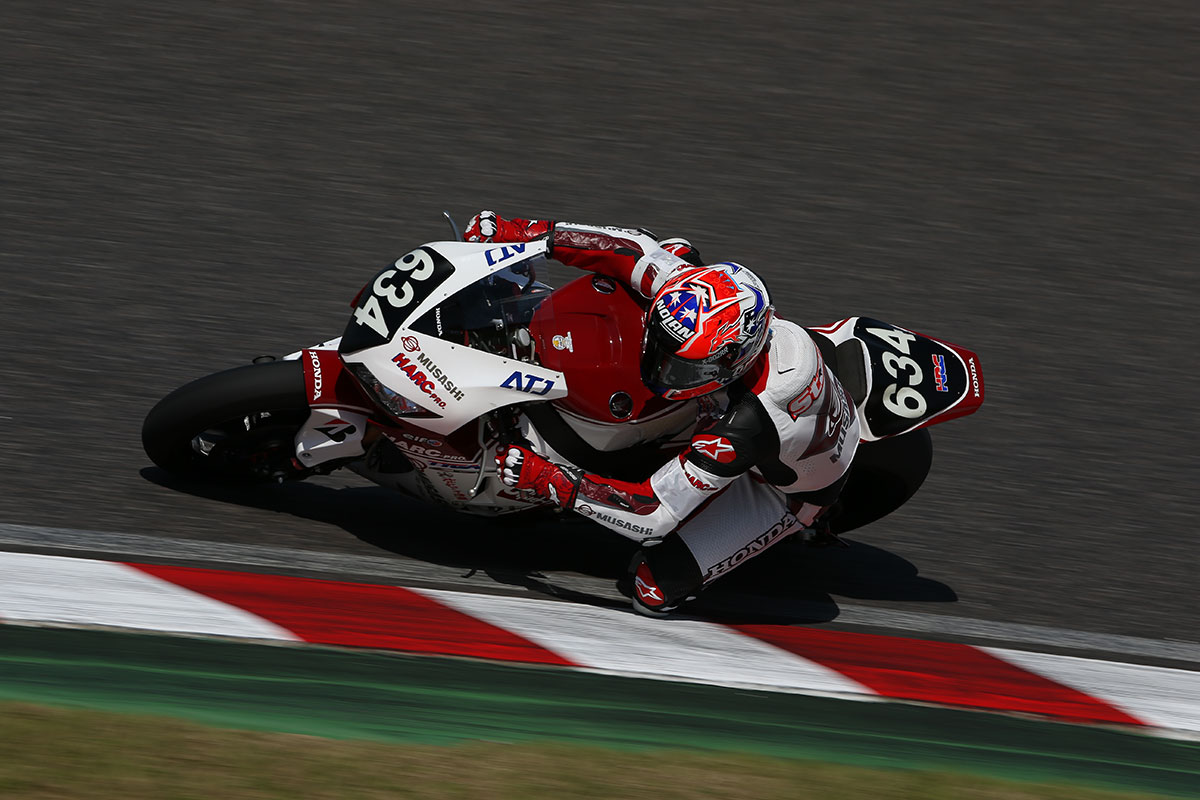
2015 #634 MuSASHi RT HARC-PRO.
Casey Stoner
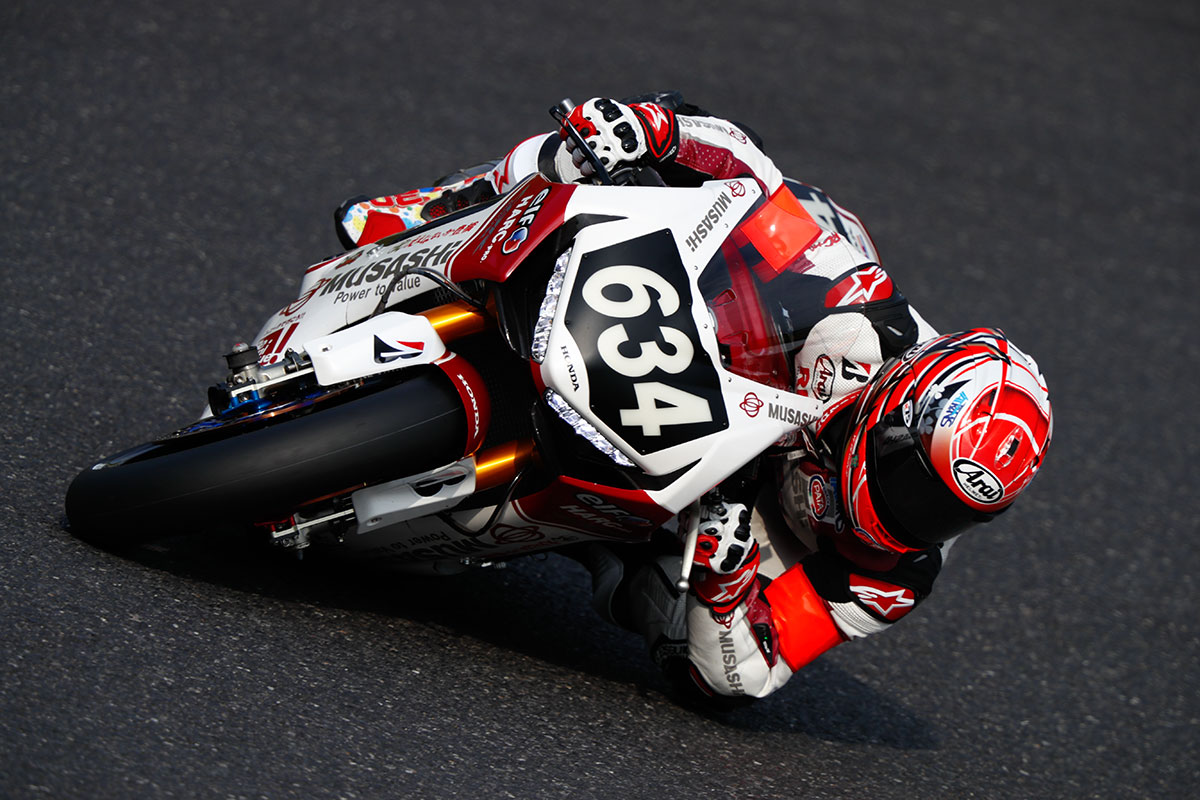
2016 #634 MuSASHi RT HARC-PRO.
Nicky Hayden
2017 #634 MuSASHi RT HARC-PRO.Honda
Takaaki Nakagami
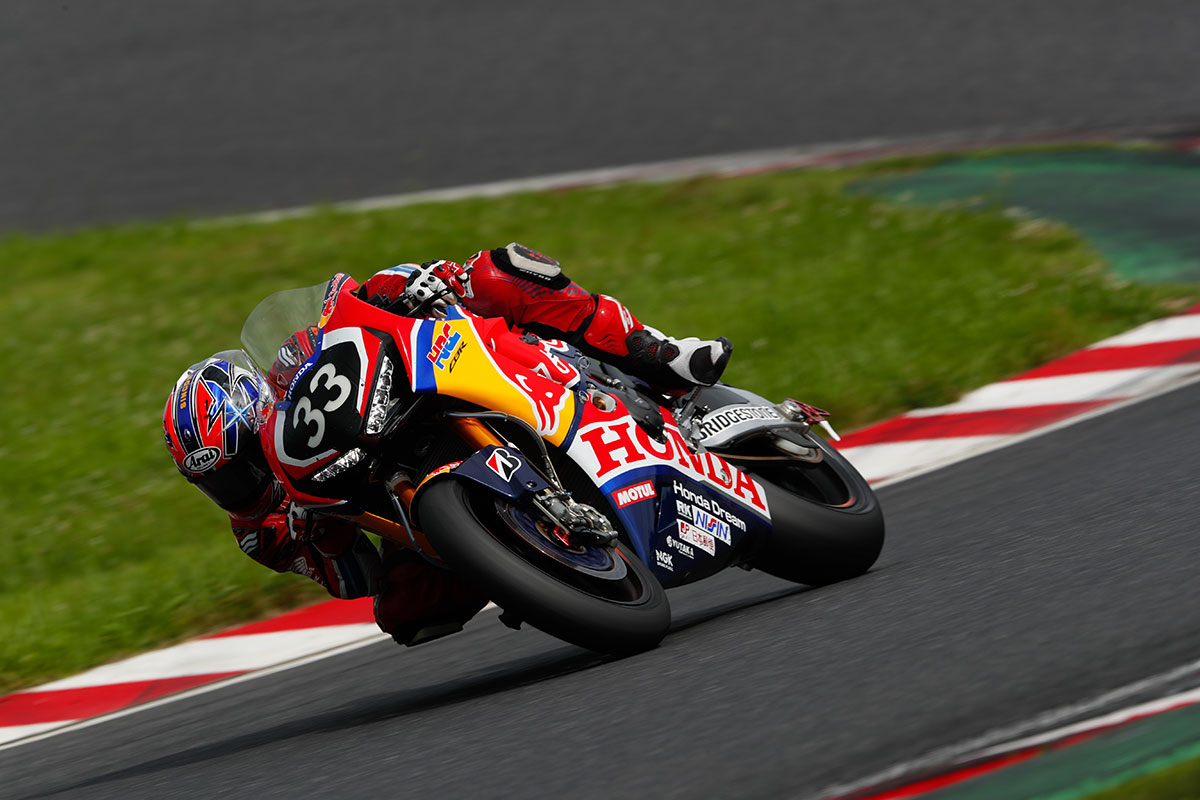
2018 #33 Red Bull Honda with Japan Post
Takumi Takahashi
Two Years of Silence—Honda's Counterattack Begins
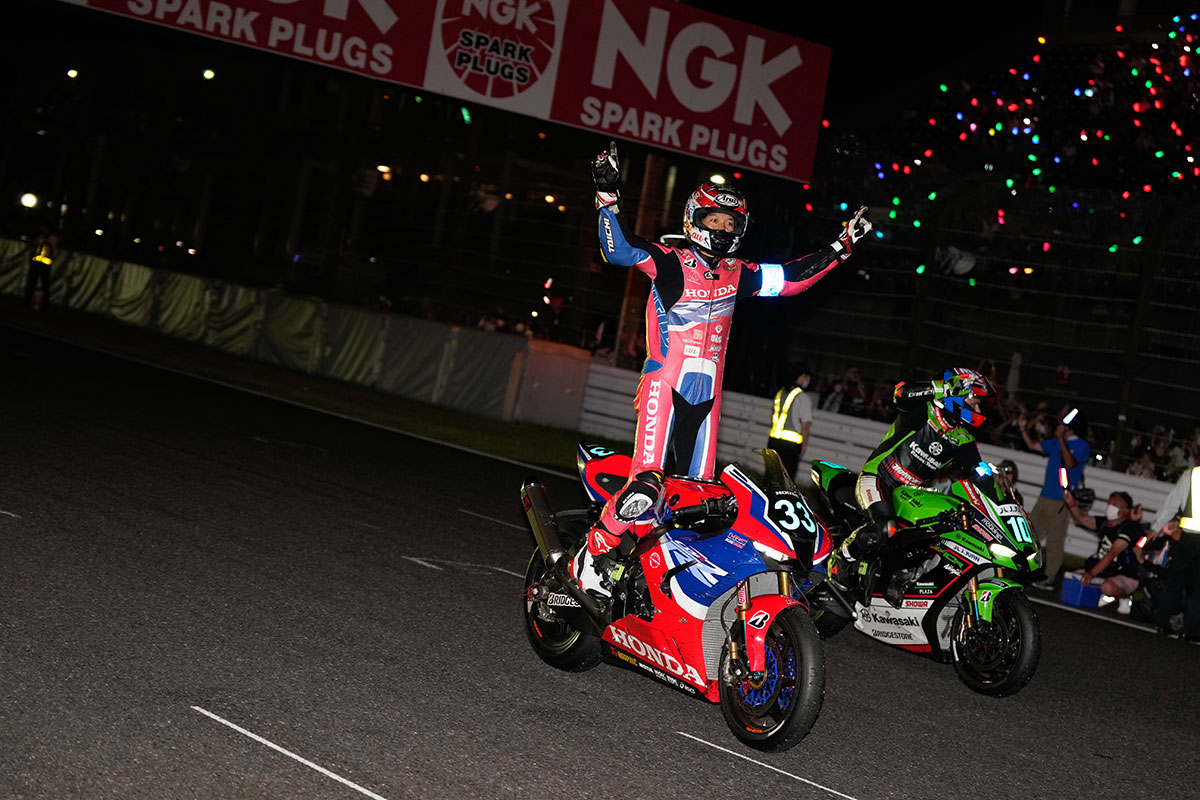
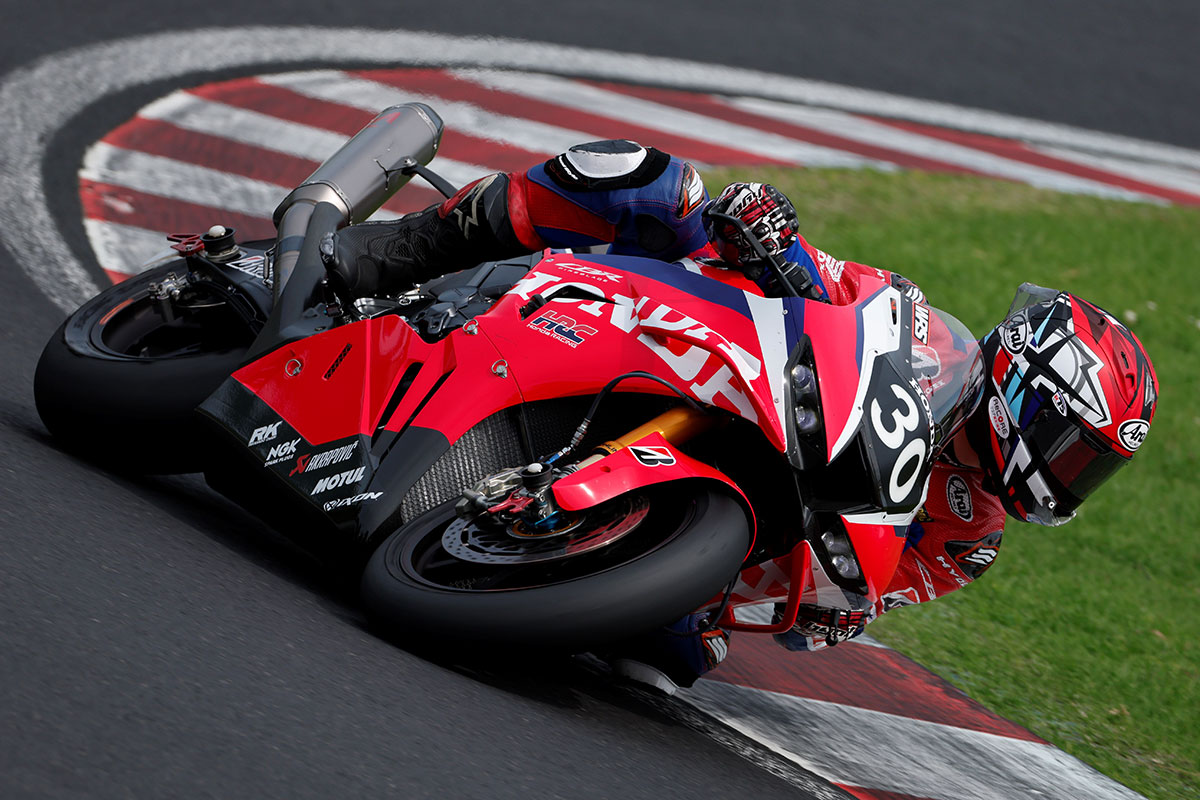
Aiming to reclaim the championship, Honda reformed the factory team directly managed by the manufacturer, "Team HRC." They thoroughly developed the machine "CBR1000RR-R FIREBLADE SP."
In 2022, held for the first time in three years, Honda's organizational efforts began to show results.
Team HRC, featuring Takumi Takahashi and Tetsuta Nagashima, demonstrated unmatched speed from the qualifying rounds and secured a pole-to-win victory (winning the race after qualifying in 1st place) with a stable race performance in the final.
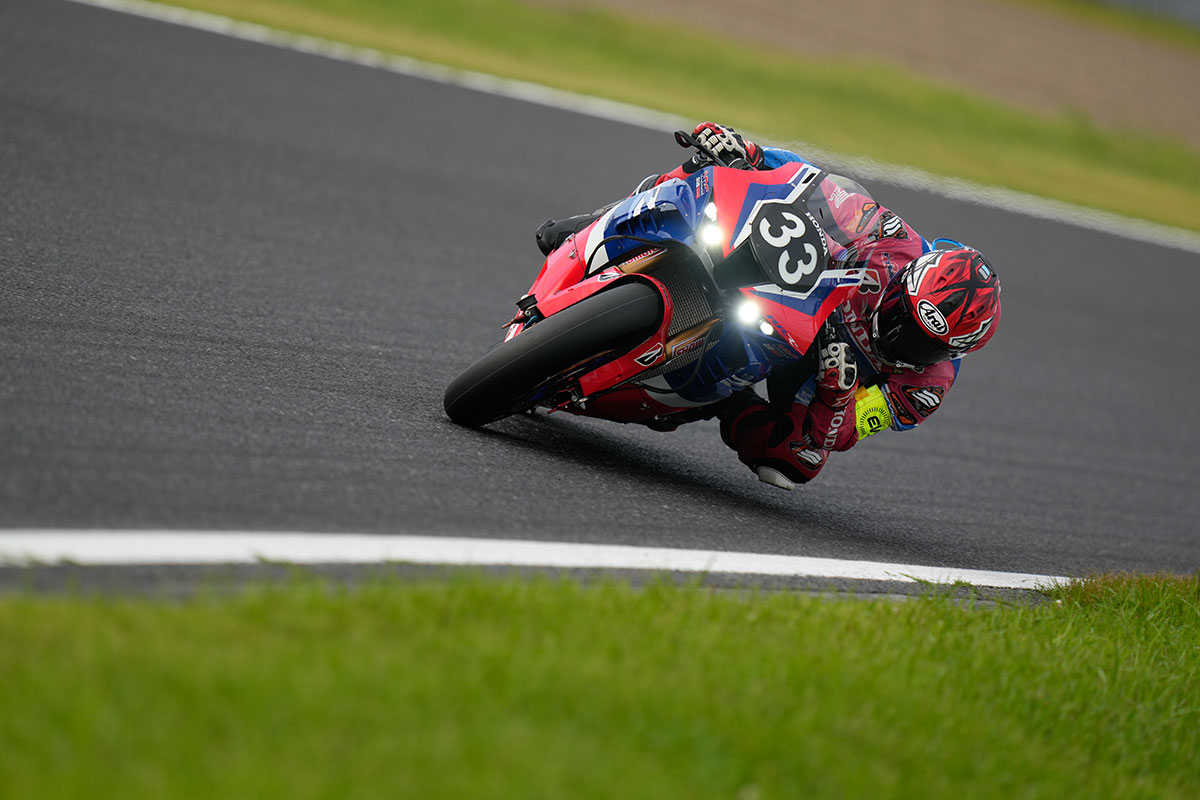
2022 #33 Team HRC
Takumi Takahashi
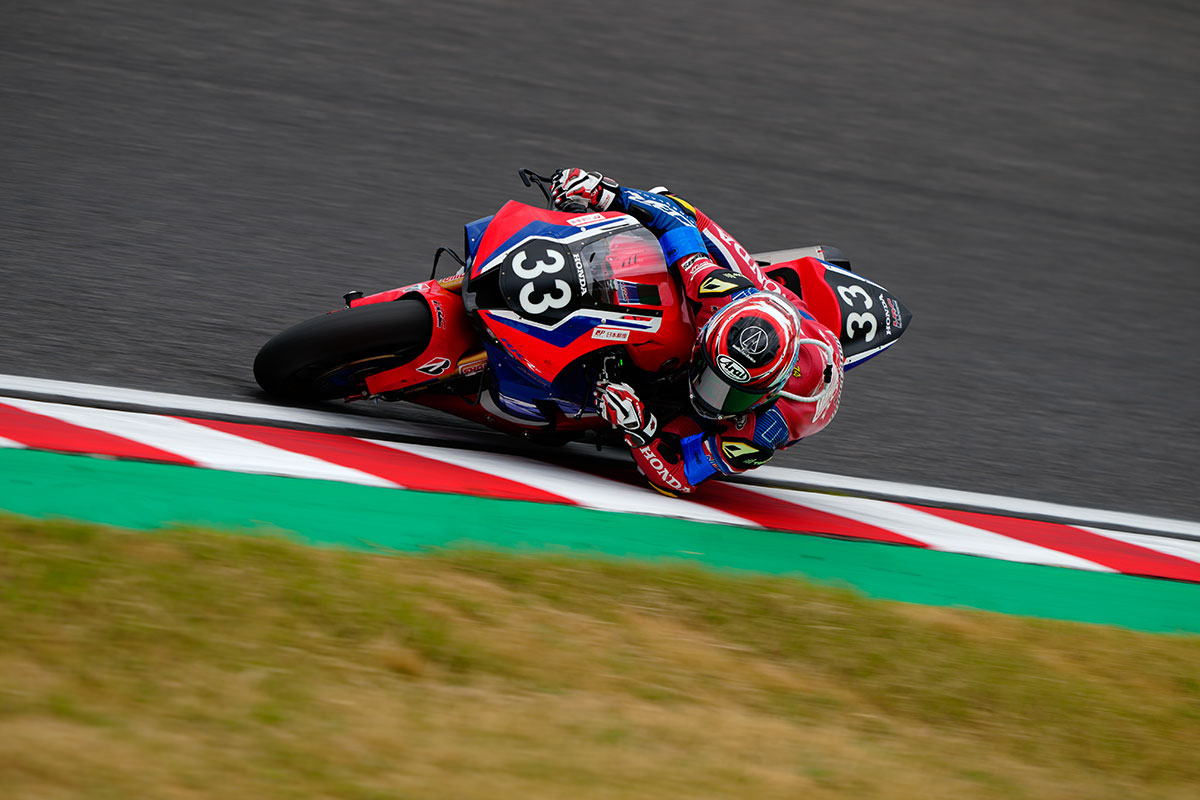
2023 #33 Team HRC
Tetta Nagashima
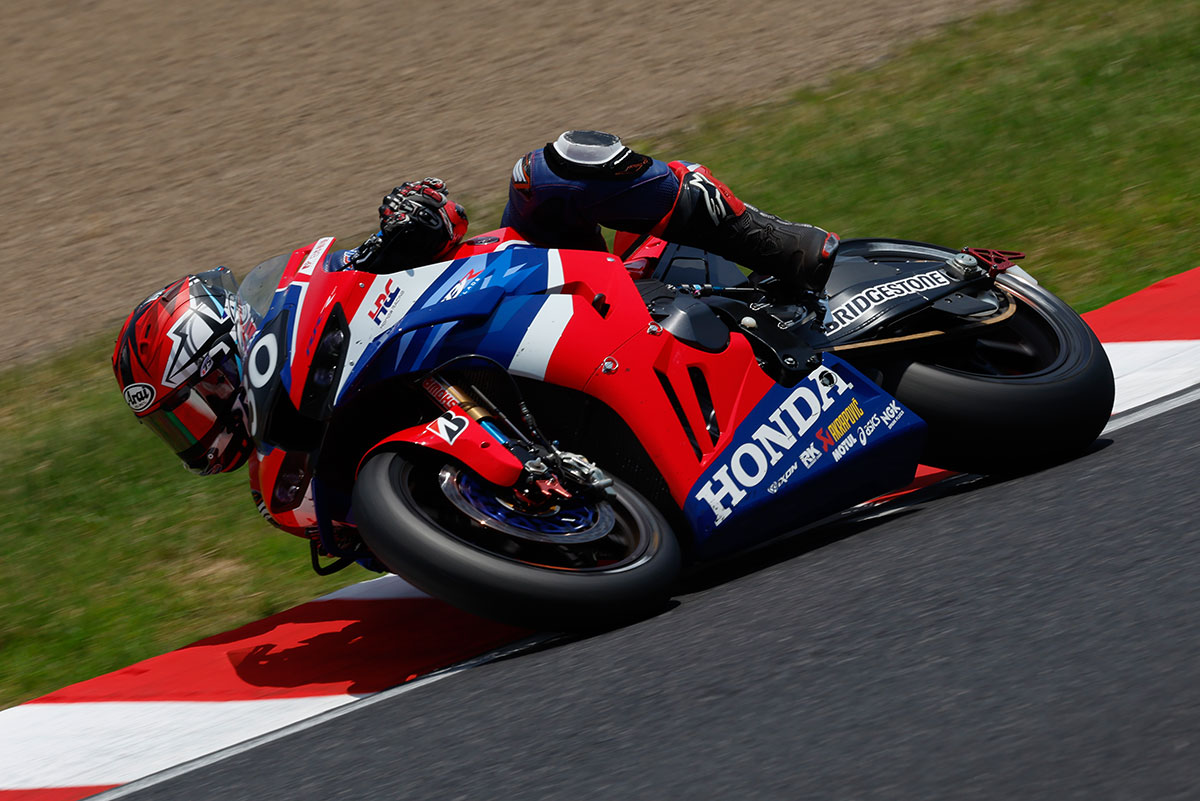
2024 #30 Team HRC
Takumi Takahashi
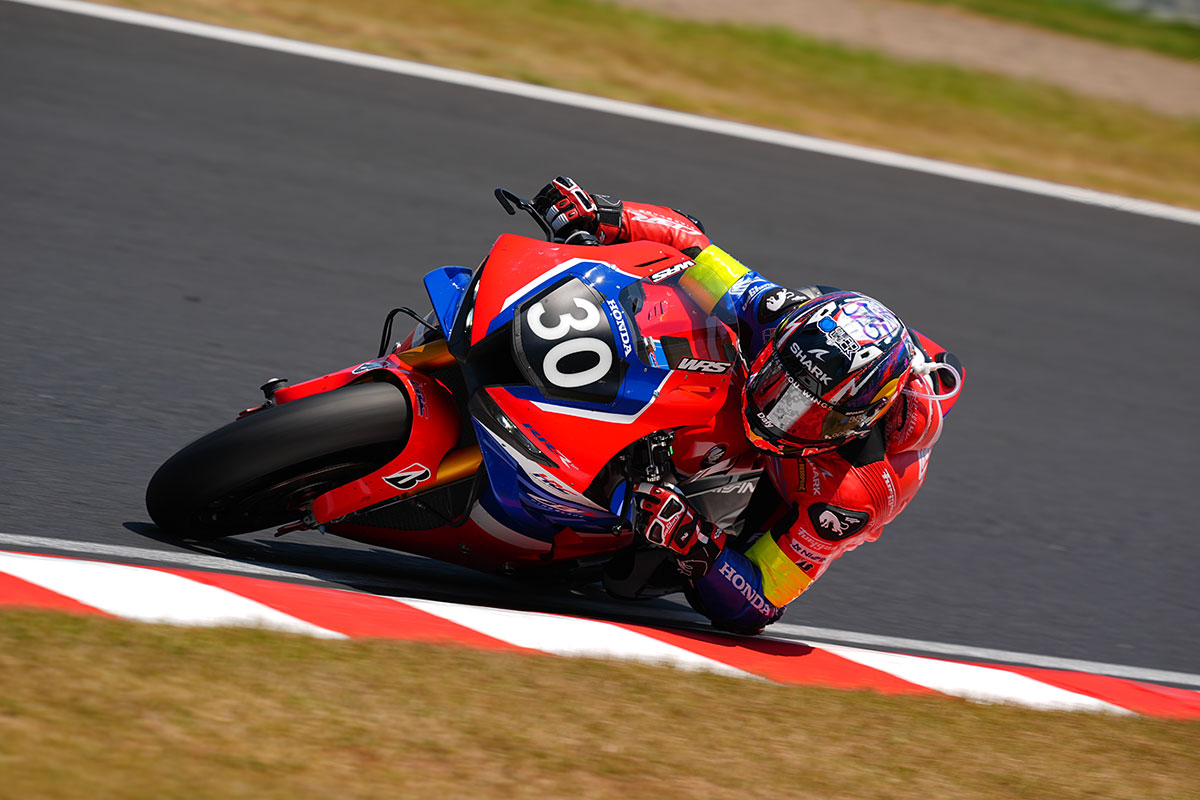
2025 #30 Honda HRC
Johann Zarco
Since then, Honda has continued to achieve consecutive victories and is currently on a 4-year winning streak.
This year, the lineup of Takumi Takahashi, Jonathan Rea, and Somkiat Chantra is set up to aim for a fifth consecutive victory.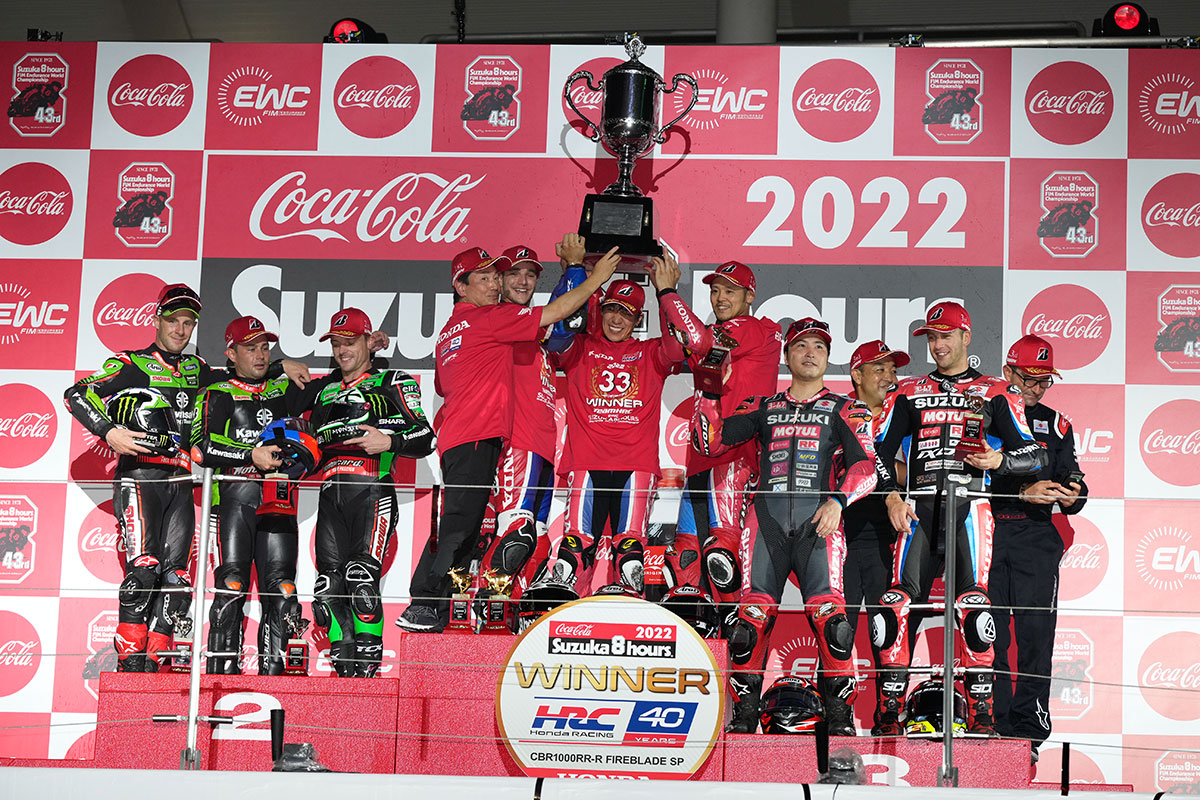
2022 Award Ceremony
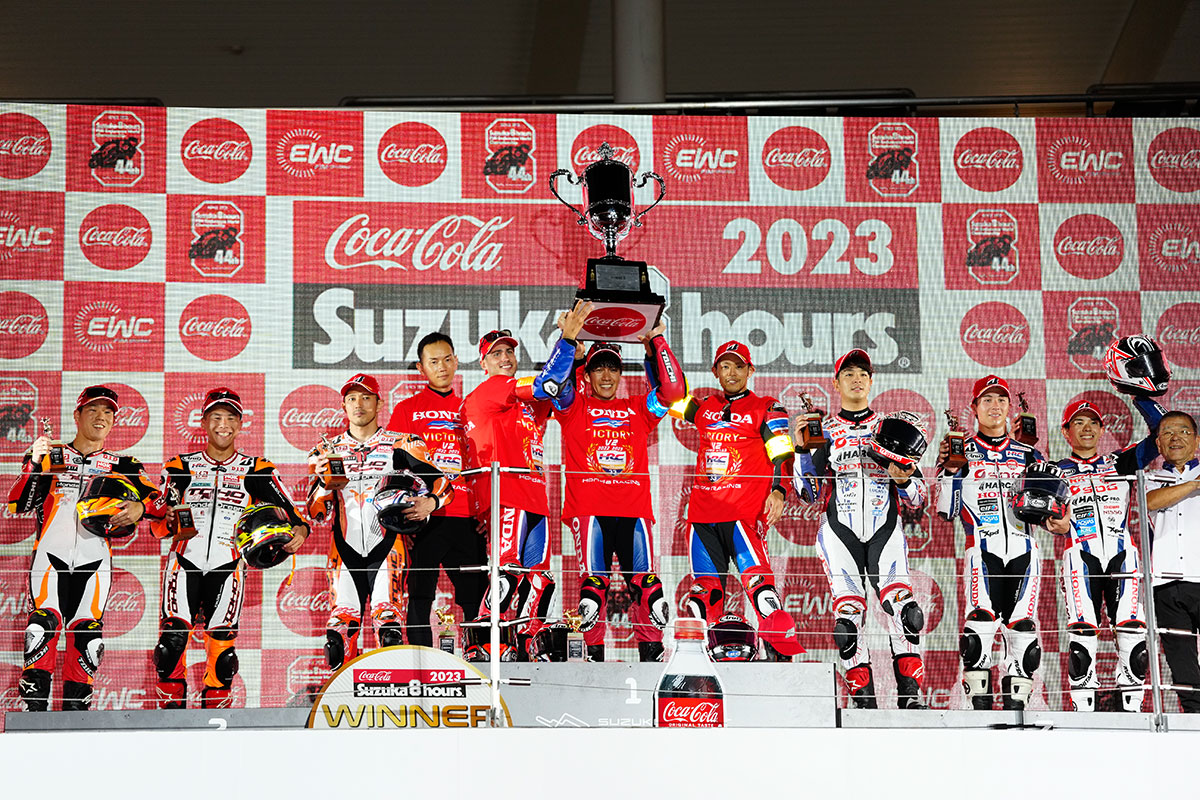
2023 Award Ceremony
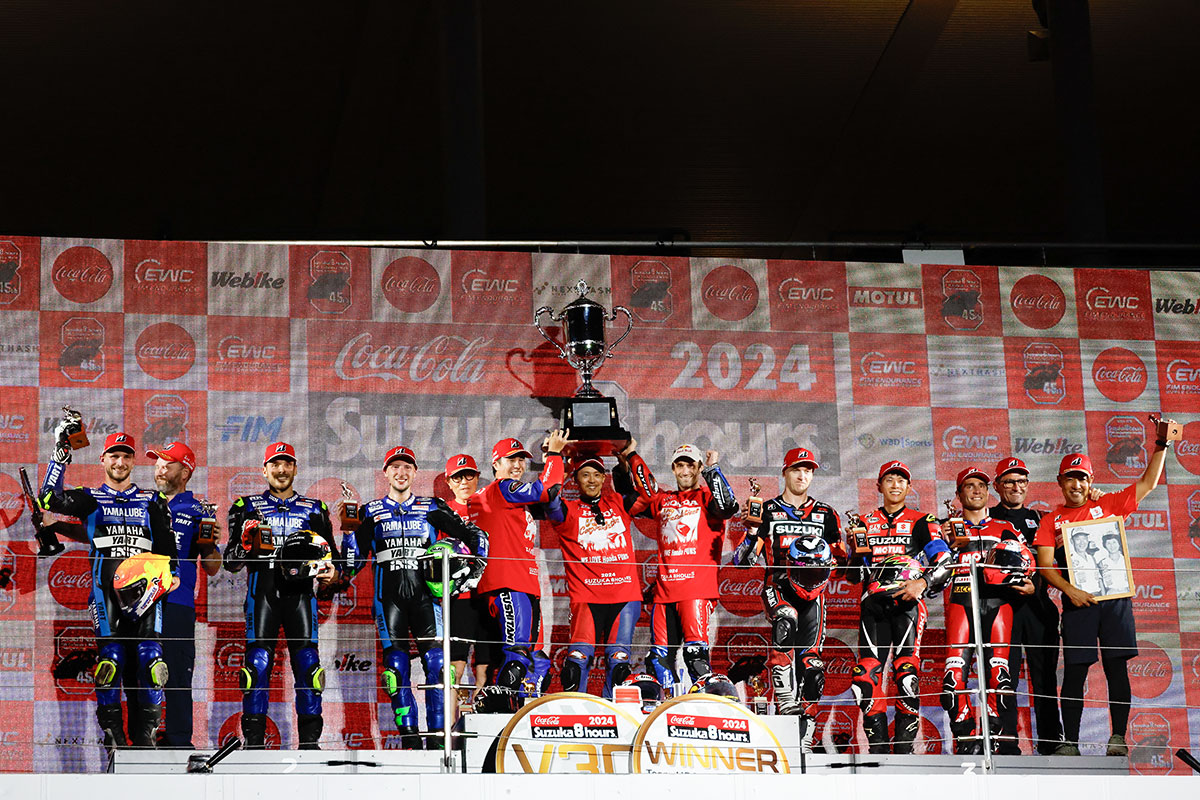
2024 Award Ceremony
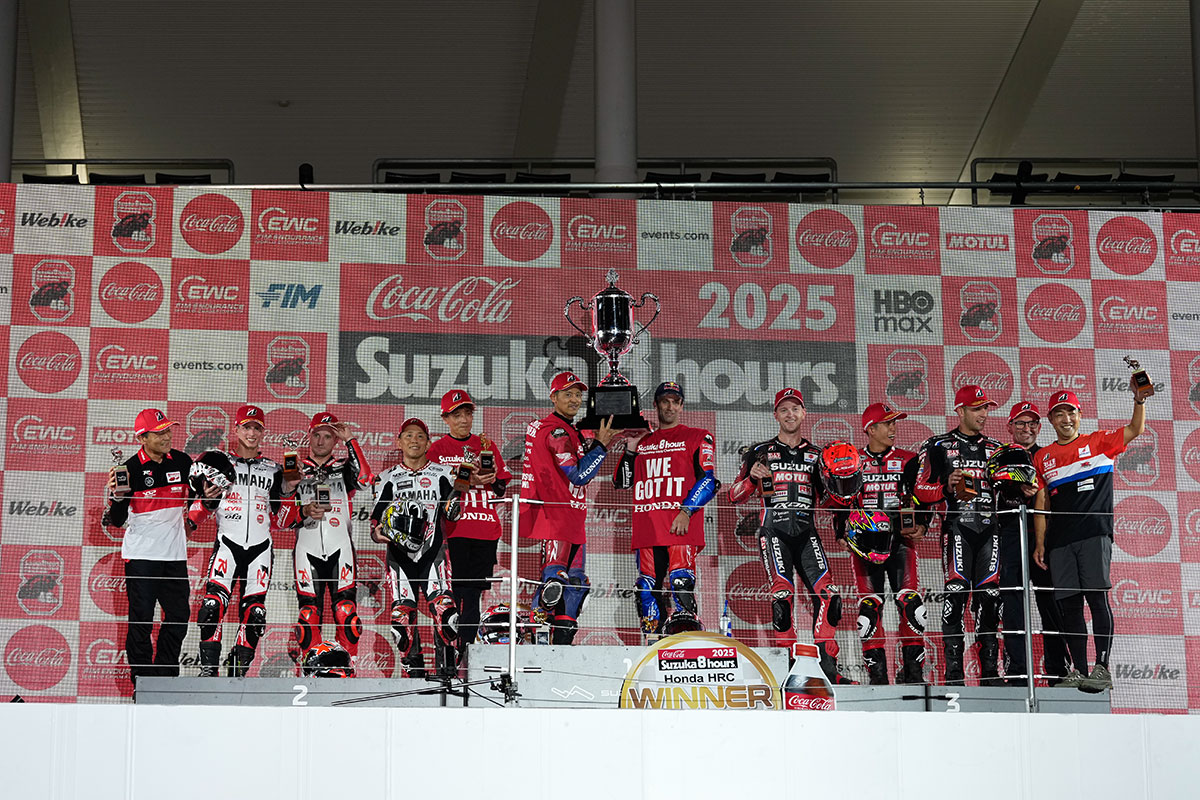
2025 Award Ceremony
Same 4-Cylinder, Different Philosophy — The Clash of Two Major Manufacturers' Personalities
.jpg)
2025 #30 Honda HRC
Takumi Takahashi
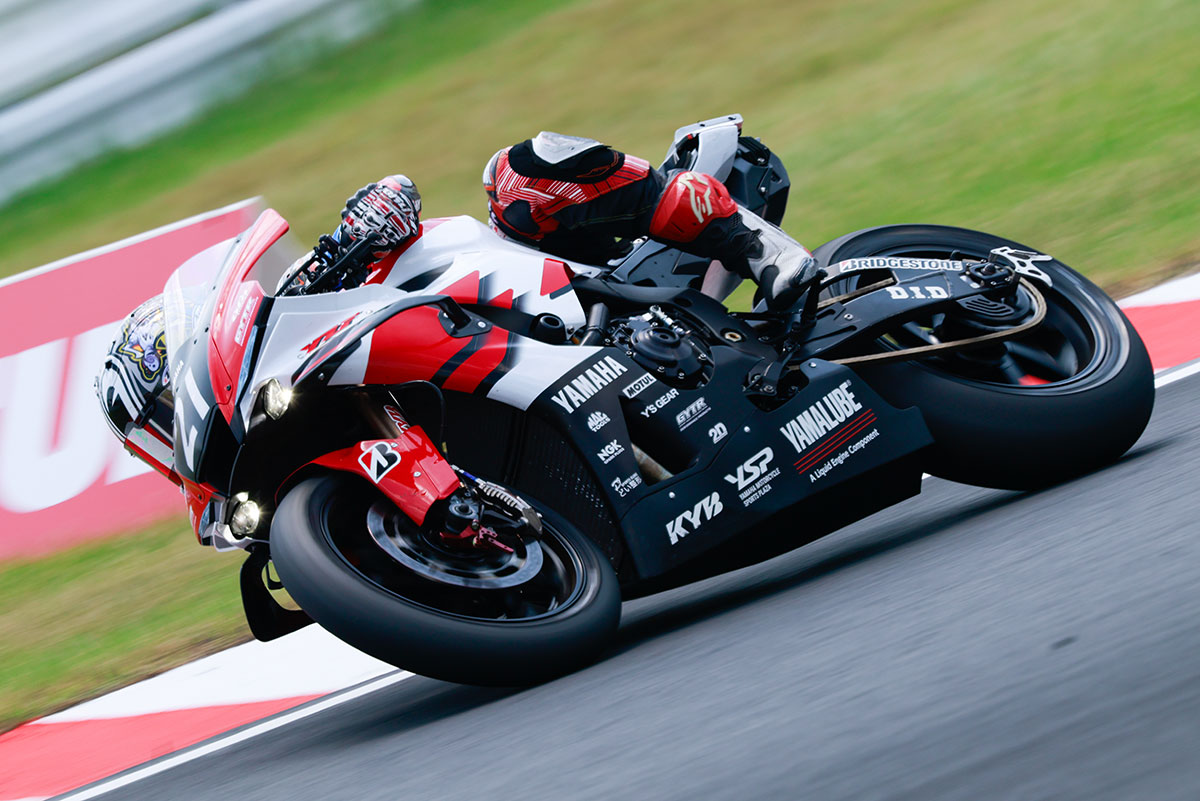
2025 #21 YAMAHA RACING TEAM
Katsuyuki Nakasuga
In qualifying, riders record times comparable to sprint races, and in the race, they continue to run at a pace close to qualifying for the full 8 hours with almost no rest. Both the machines and riders are required to compete at a high level continuously.
Honda's CBR1000RR-R FIREBLADE SP and YAMAHA's YZF-R1. While both are equipped with the same "inline 4-cylinder engine," their design philosophies differ.
- Honda: Emphasizes power and chassis rigidity, aggressively attacking the course
- YAMAHA: Refines the unity between Rider and machine, enhancing cornering speed
2026: Continuing the Rivalry
The past 10 years of the Suzuka 8 Hours have also been a history of rivalry between these two major manufacturers. YAMAHA opened a new era, and Honda reclaimed it. Through this repeated cycle, both machine performance and Rider skill have improved.This year’s Suzuka 8 Hours, held in early July. How will YAMAHA challenge the reigning champion Honda? Or will Honda fend off that challenge and extend their winning streak?
Looking back on the 10-year history both manufacturers have built, the 2026 Suzuka 8 Hours should be even more enjoyable.